A Complete Analysis of “The Bridge at Bougival” by Claude Monet

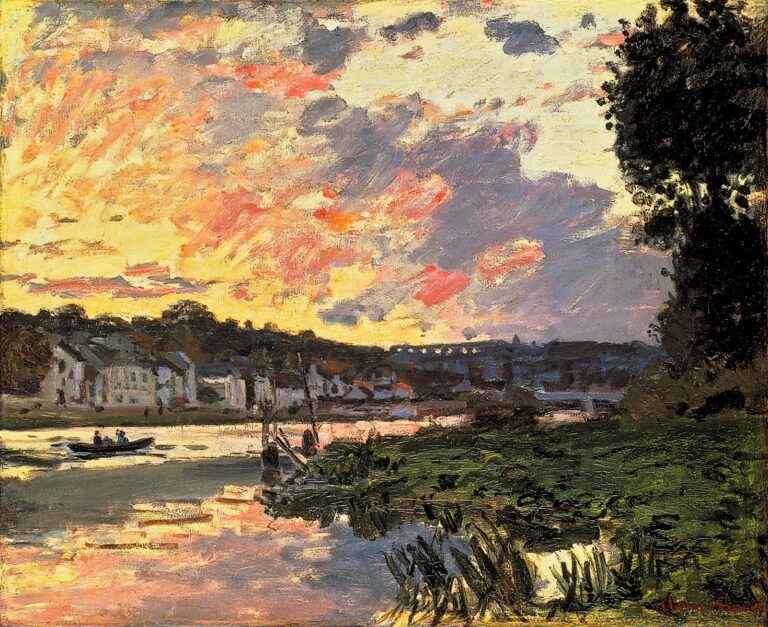
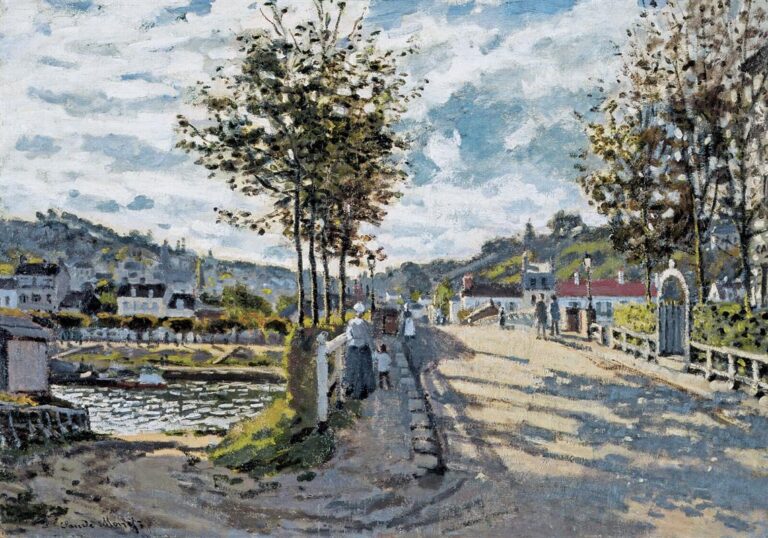
Explore Claude Monet’s 1869 painting “The Bridge at Bougival,” a luminous early landscape that captures modern life, shifting light, and the emerging vision of Impressionism.

Explore Claude Monet’s 1869 painting “The Bridge at Bougival,” a luminous early landscape that captures modern life, shifting light, and the emerging vision of Impressionism.

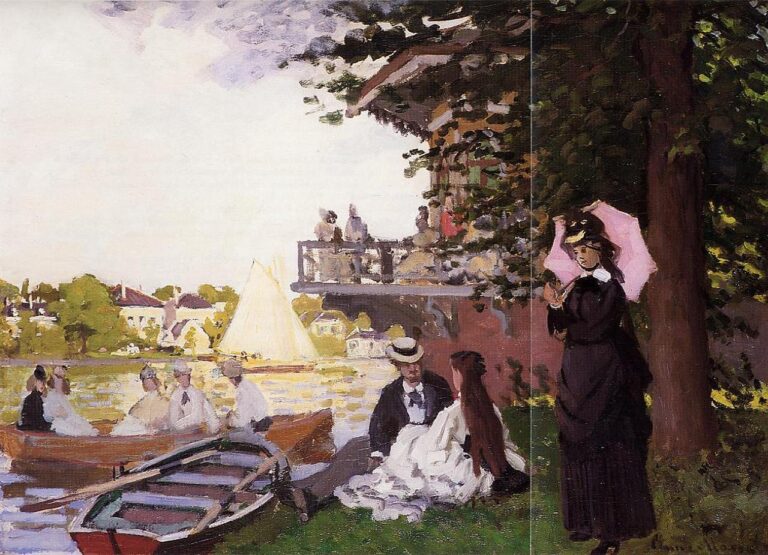
Explore Claude Monet’s 1869 painting “The Landing State,” a luminous riverside scene that reveals the artist’s early Impressionist interest in leisure, light, water, boats, and modern outdoor life.

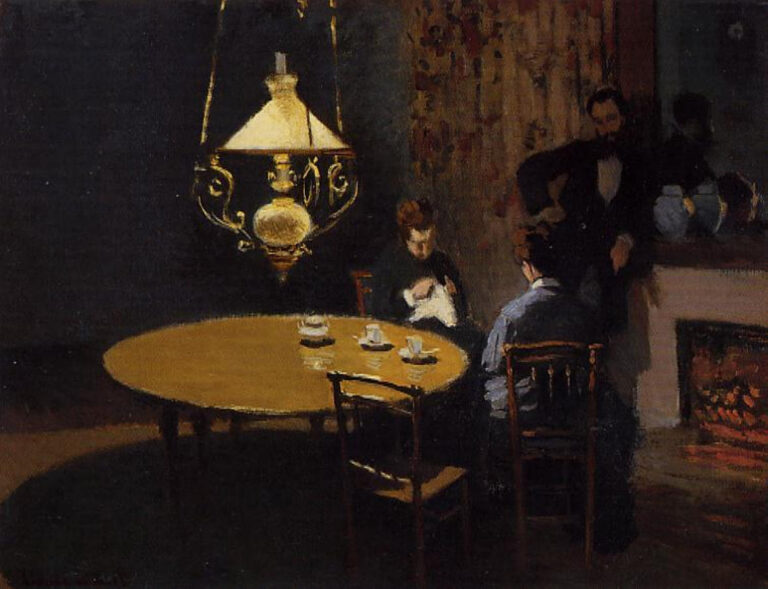
Explore Claude Monet’s 1869 painting “The Dinner,” a quiet domestic interior shaped by lamplight, shadow, atmosphere, and the early development of Monet’s modern artistic vision.

Claude Monet’s The Dinner, painted in 1869, transforms an intimate family meal into a rich study of lamplight, domestic atmosphere, shadow, and early Impressionist vision.

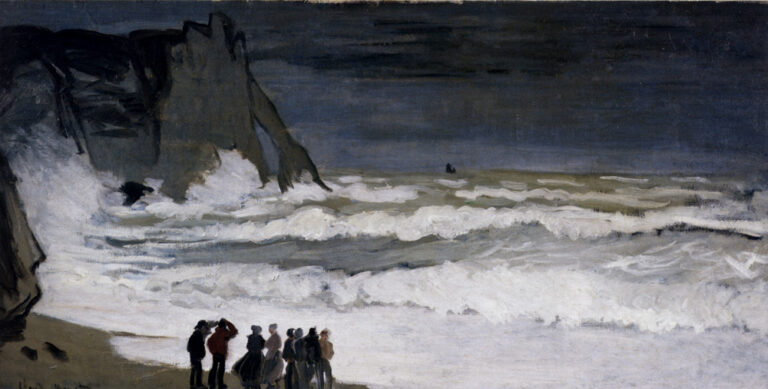
Explore Claude Monet’s “Rough Sea at Etretat,” an atmospheric 1869 seascape that captures the dramatic cliffs, crashing surf, and modern coastal vision of Normandy.

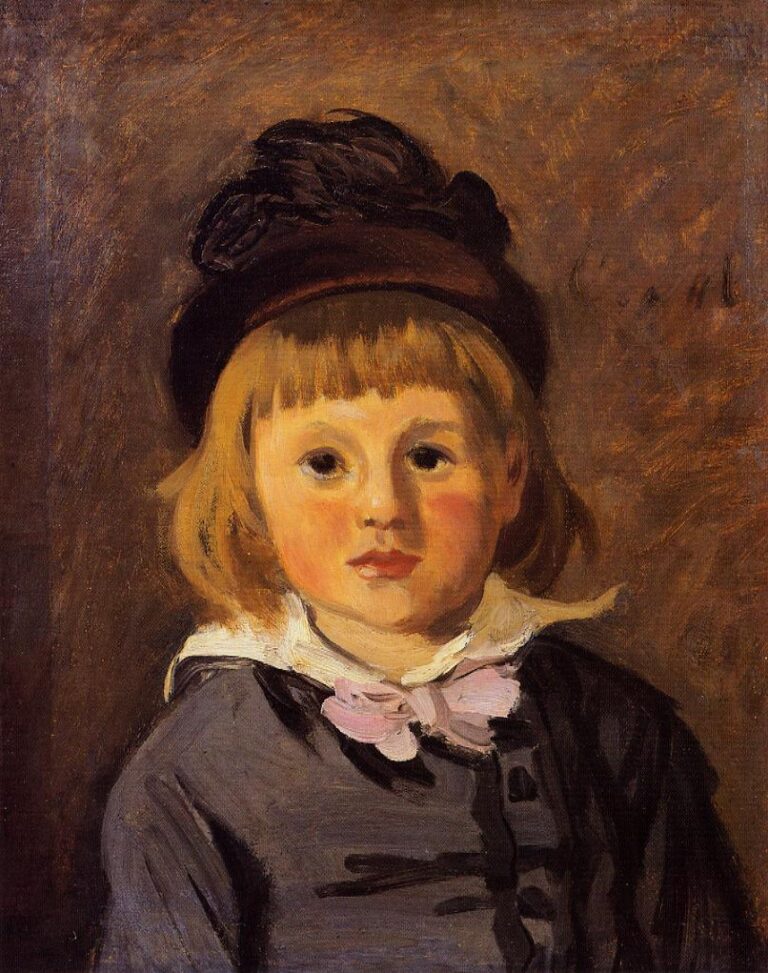
Claude Monet’s 1869 portrait of his son Jean captures childhood with warmth, restraint, and painterly sensitivity, revealing the intimate domestic side of the future Impressionist master.

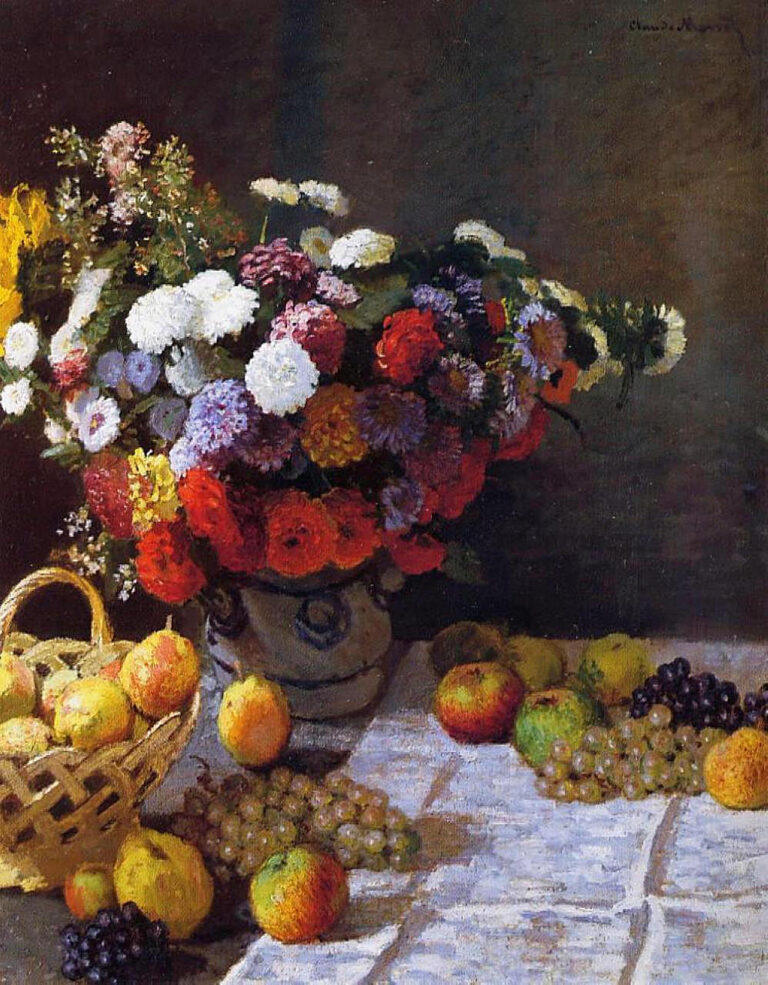
Claude Monet’s “Flowers and Fruit” from 1869 is a vivid still life that combines glowing fruit, dense flowers, dramatic shadow, and lively brushwork in an early display of his modern approach to color and perception.

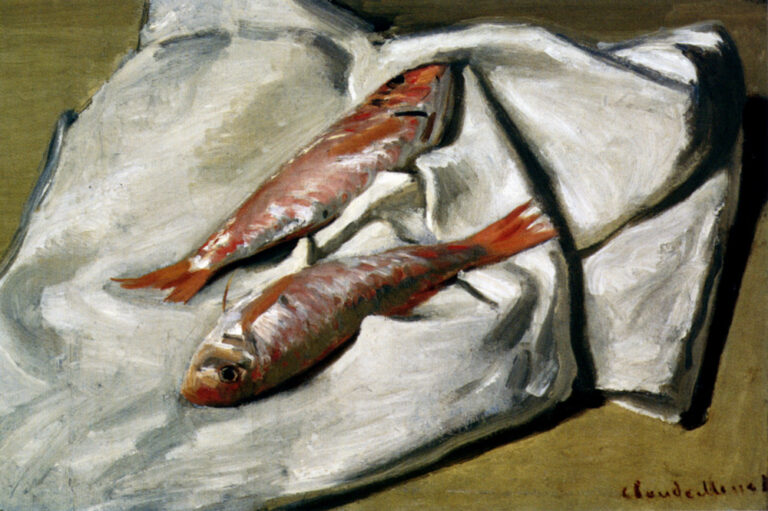
Claude Monet’s “Red Mullets” from 1869 is a striking still life that transforms two fish on a white cloth into a vivid study of color, light, brushwork, and modern vision.

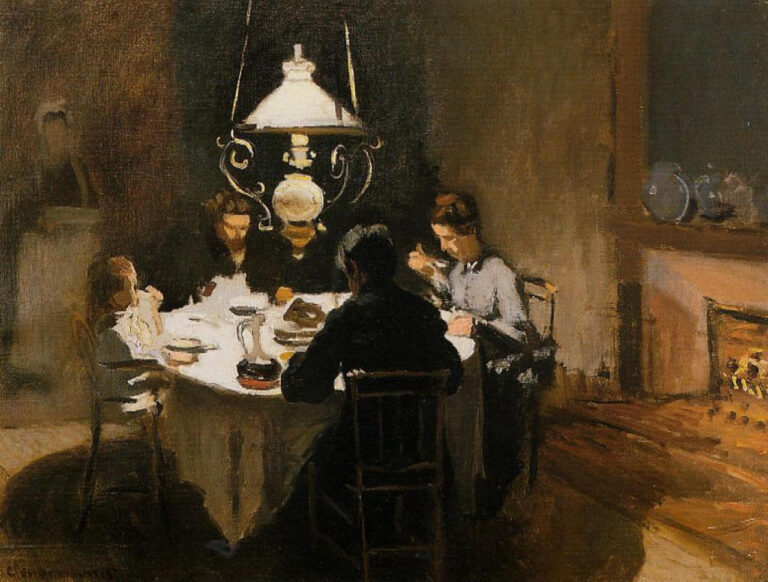
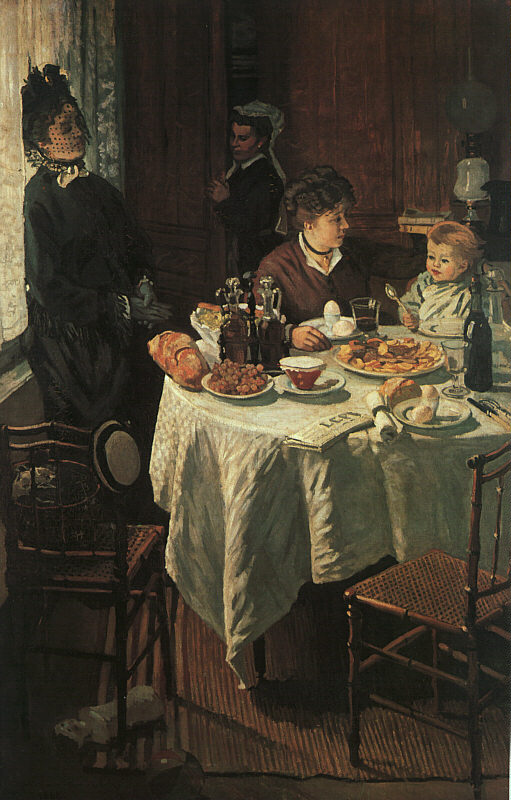
Claude Monet’s The Luncheon from 1868 is an intimate early painting that explores domestic life, family presence, social roles, light, shadow, and the modern interior before the full emergence of Impressionism.

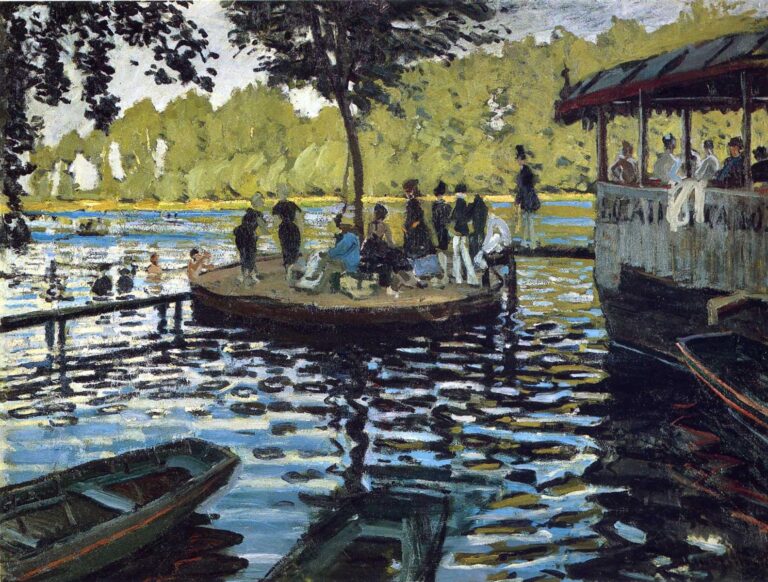
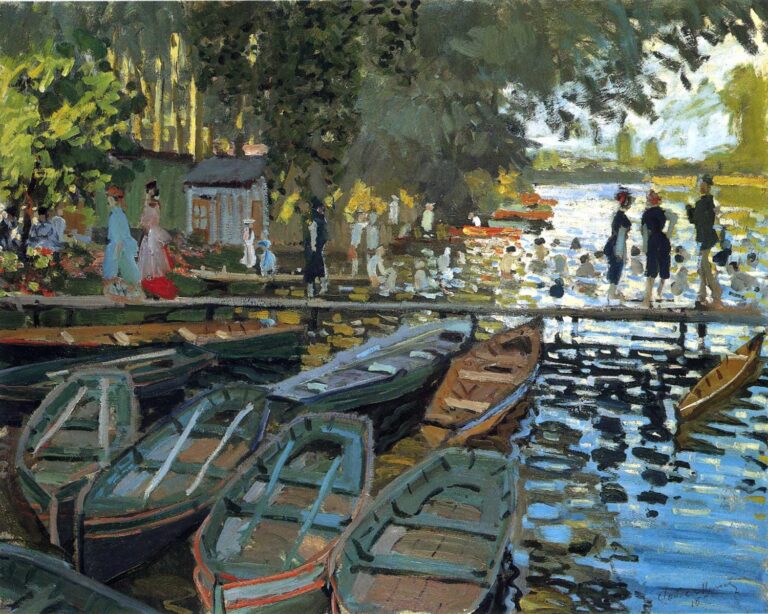
Explore a detailed analysis of Claude Monet’s Bathers at La Grenouillere from 1869, examining its shimmering light, riverside leisure scene, lively brushwork, and its importance in the rise of Impressionism.

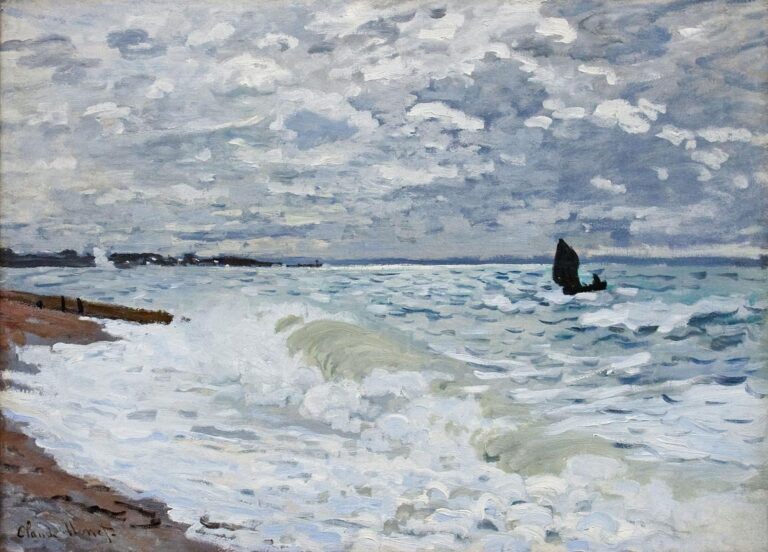
Explore a detailed analysis of Claude Monet’s The Sea at Saint-Adresse, looking at its stormy sky, shimmering water, loose brushwork, and the artist’s powerful treatment of atmosphere along the Normandy coast.

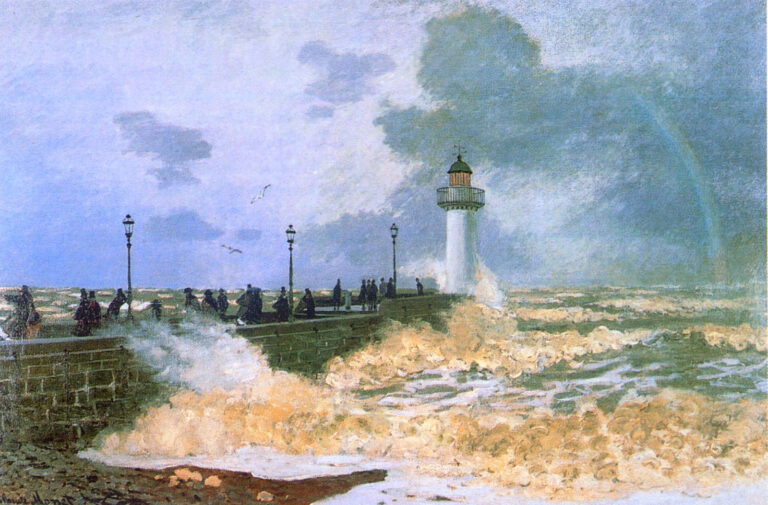
Explore a detailed analysis of Claude Monet’s The Jetty at Le Havre from 1868, examining its stormy sea, lighthouse, atmospheric sky, early Impressionist brushwork, and the powerful meeting of modern coastal life with the force of nature.

Explore a complete analysis of Claude Monet’s 1868 painting “The Estuary of the Seine,” including its composition, atmosphere, color, brushwork, and early Impressionist qualities.

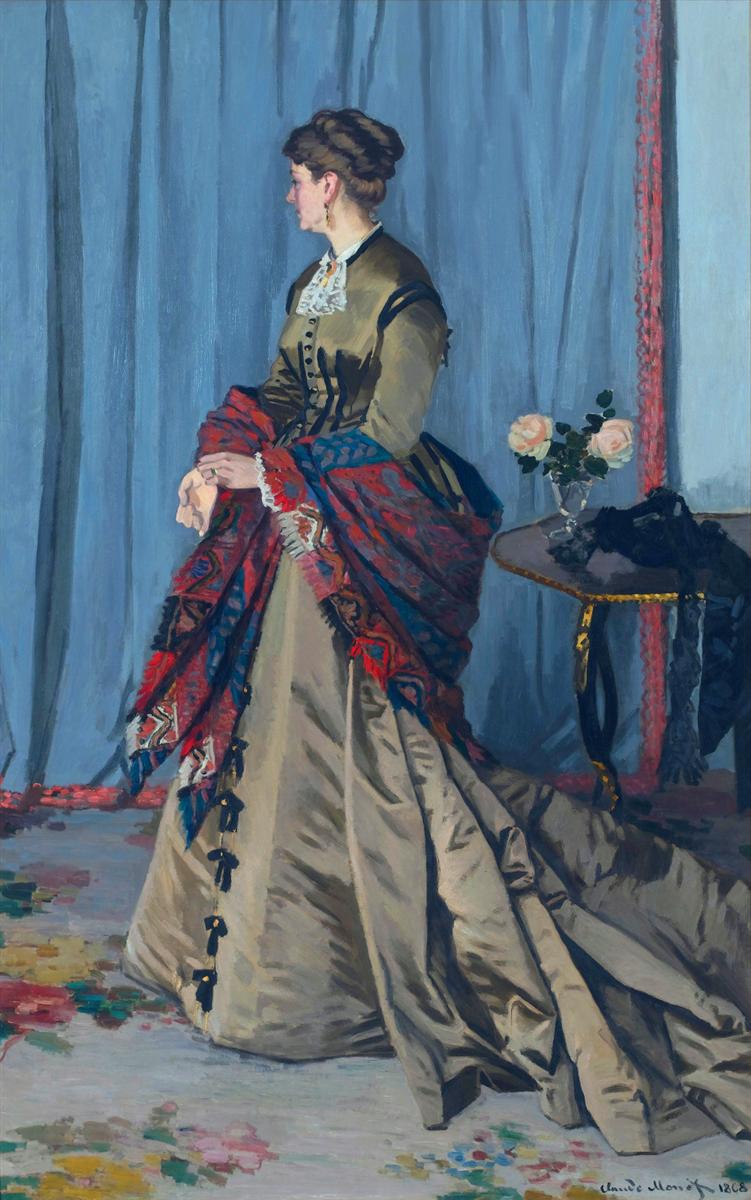
Explore a detailed analysis of Claude Monet’s 1868 painting Portrait of Madame Gaudibert, examining its composition, color harmony, costume, mood, and importance within Monet’s early artistic development.

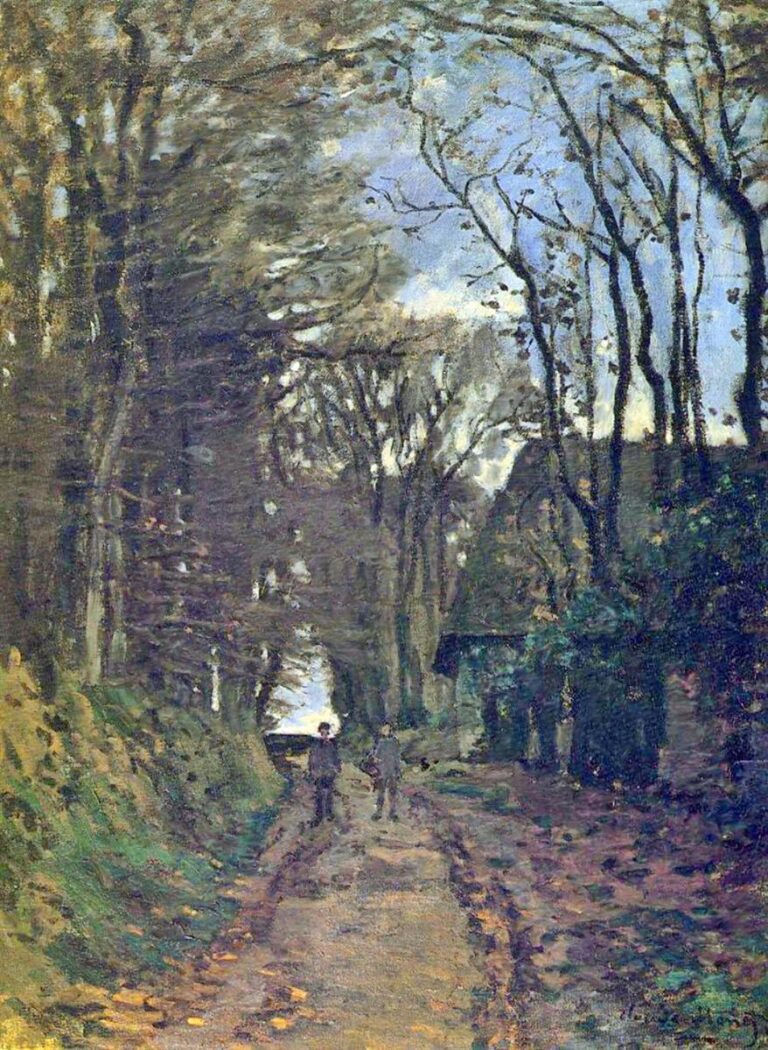
Explore a detailed analysis of Claude Monet’s Lane in Normandy from 1868, focusing on its composition, muted light, brushwork, rural atmosphere, and place in Monet’s early artistic development.

Explore a complete analysis of Claude Monet’s 1868 painting “Gestrandetes Boot in Fecamp,” focusing on its harbor setting, muted palette, monumental composition, and early Impressionist atmosphere.

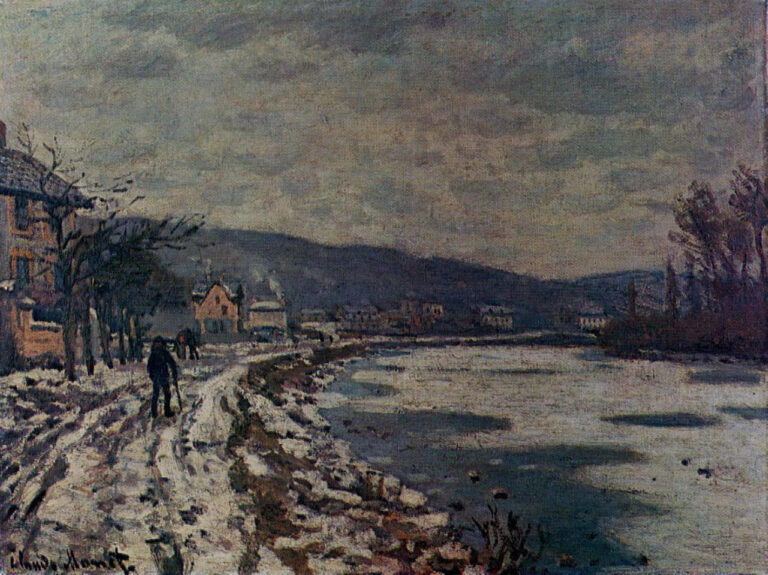
Explore a full analysis of Claude Monet’s “Ice Floes on the Seine at Bougival,” examining its winter atmosphere, muted palette, drifting ice, quiet human presence, and early Impressionist vision.

Explore a detailed analysis of Claude Monet’s “Fishing Boats, Calm Sea,” examining its calm marine atmosphere, muted color palette, composition, brushwork, and early Impressionist qualities.