A Complete Analysis of “Open Sea” by Claude Monet

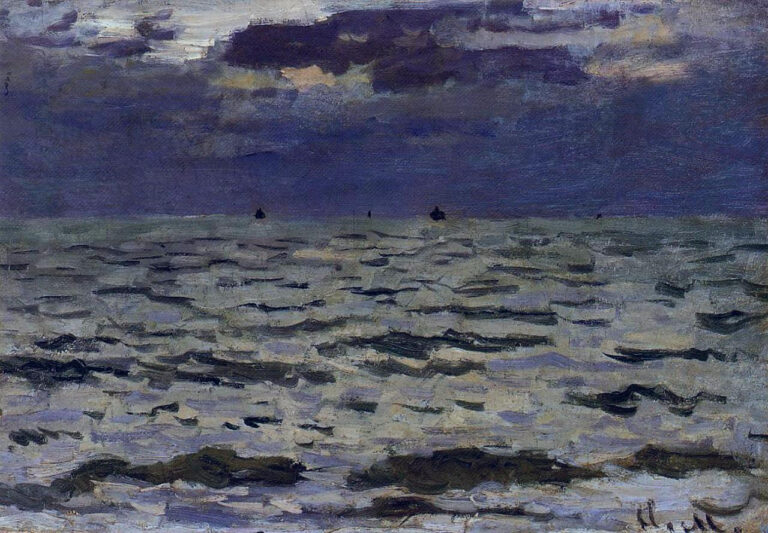
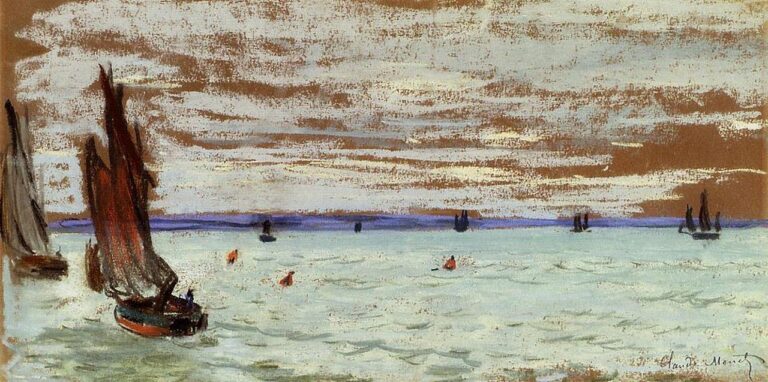
Explore a detailed analysis of Claude Monet’s Open Sea from 1866, examining its composition, atmosphere, brushwork, color relationships, and the quiet power of its marine setting.

Explore a detailed analysis of Claude Monet’s Open Sea from 1866, examining its composition, atmosphere, brushwork, color relationships, and the quiet power of its marine setting.

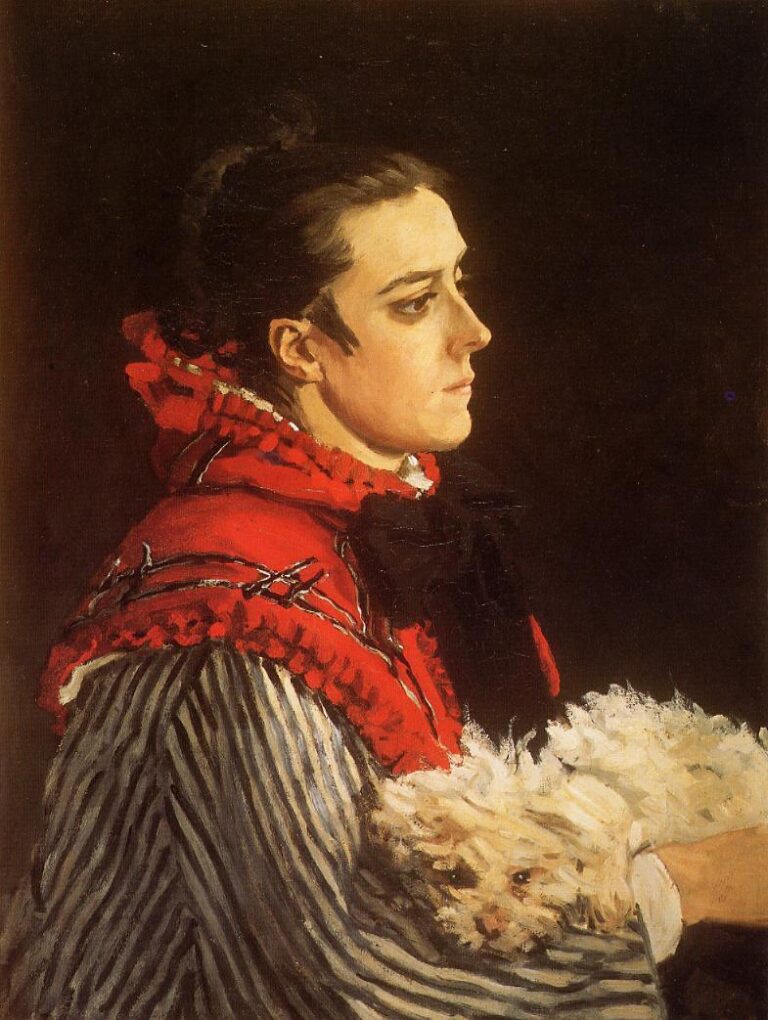
Explore a detailed analysis of Claude Monet’s 1866 painting “Camille with a Small Dog,” examining its composition, color, mood, portrait style, and the role of Camille Doncieux in Monet’s early art.

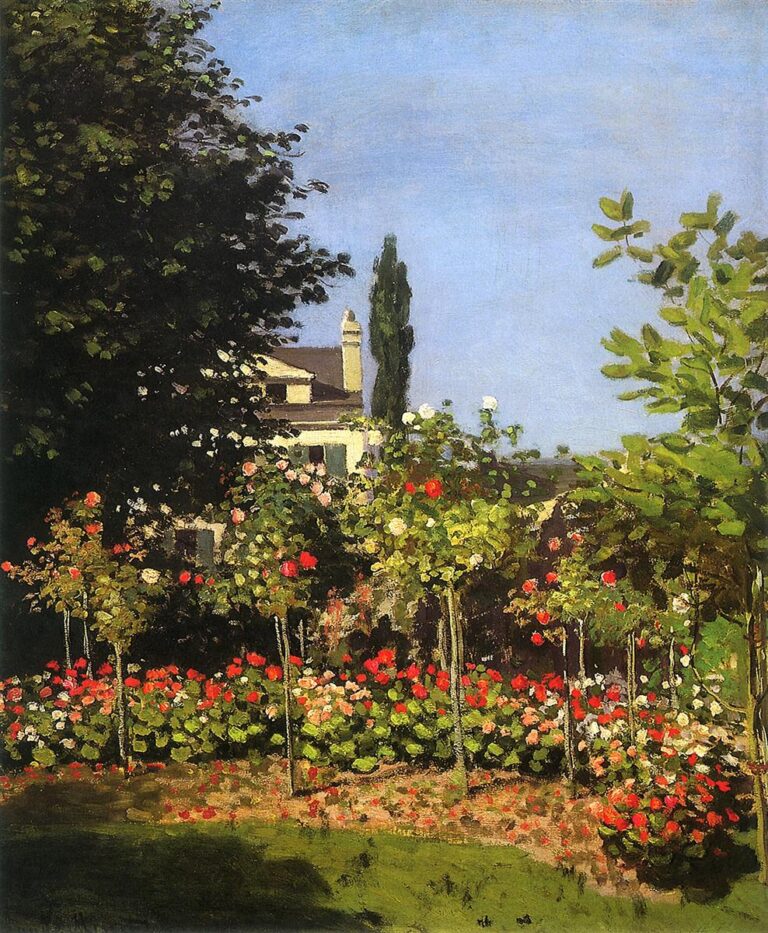
Explore a complete analysis of Claude Monet’s “Garden in Bloom at Sainte-Addresse,” a radiant 1866 painting that captures sunlight, flowers, color harmony, and the early development of Monet’s Impressionist vision.

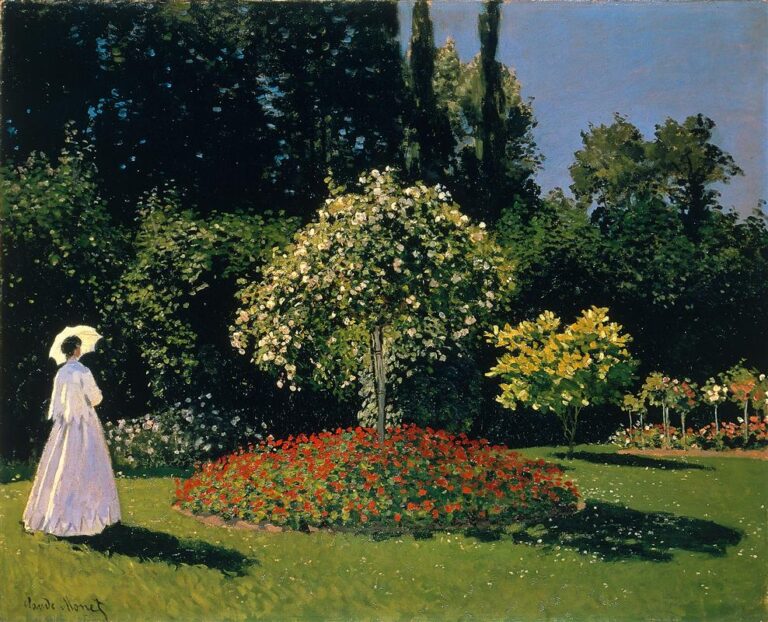
Explore a detailed analysis of Claude Monet’s 1866 painting “Jeanne-Marguerite Lecadre in the Garden,” examining its light, composition, color, garden setting, and early Impressionist qualities.

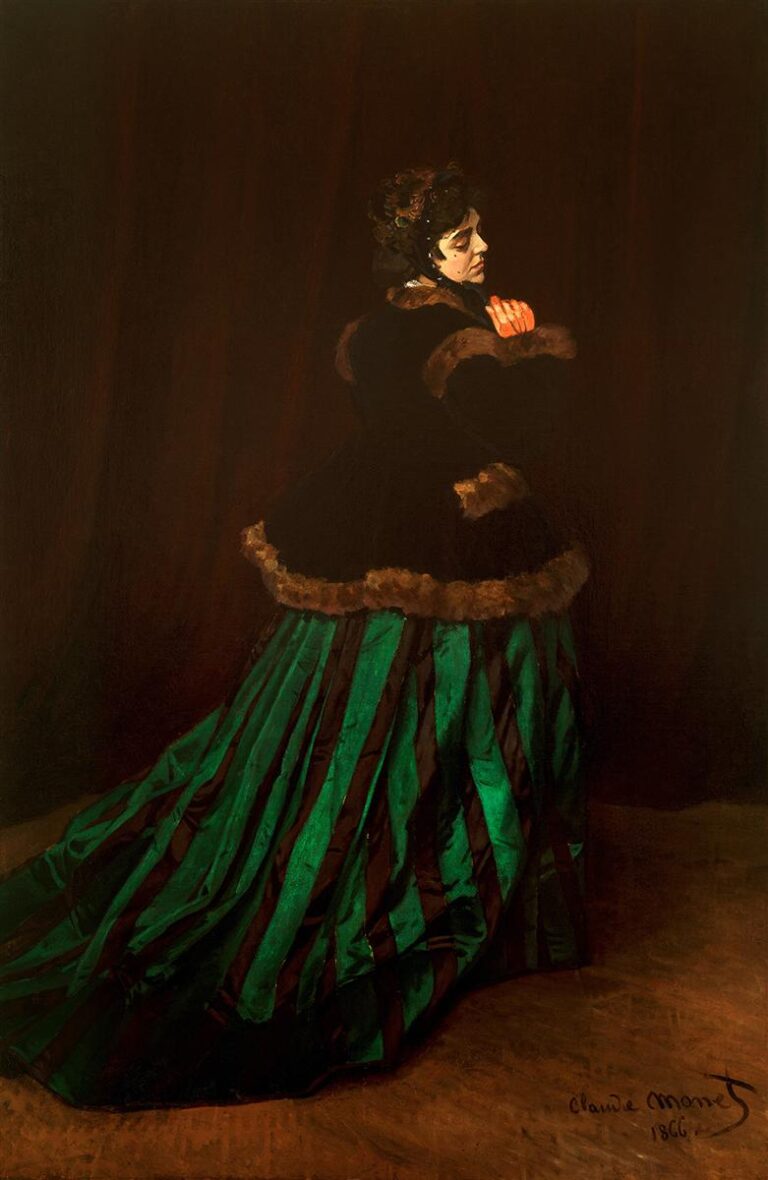
Explore a complete analysis of Claude Monet’s 1866 painting “The Woman in a Green Dress,” examining its color, composition, fashion, psychological atmosphere, and importance in the artist’s early career.

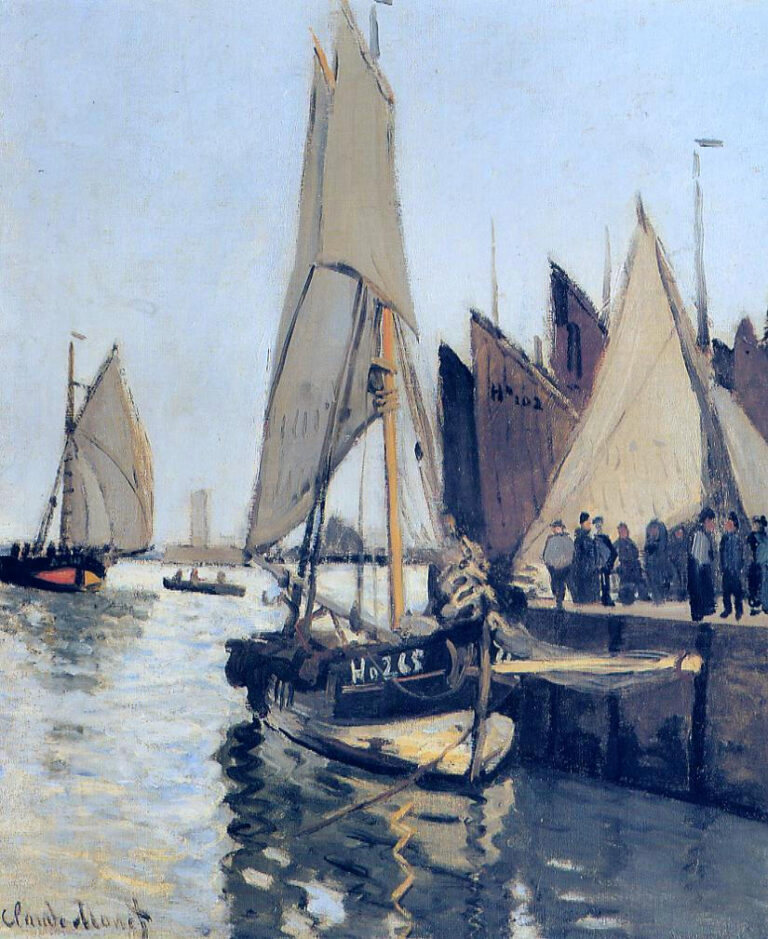
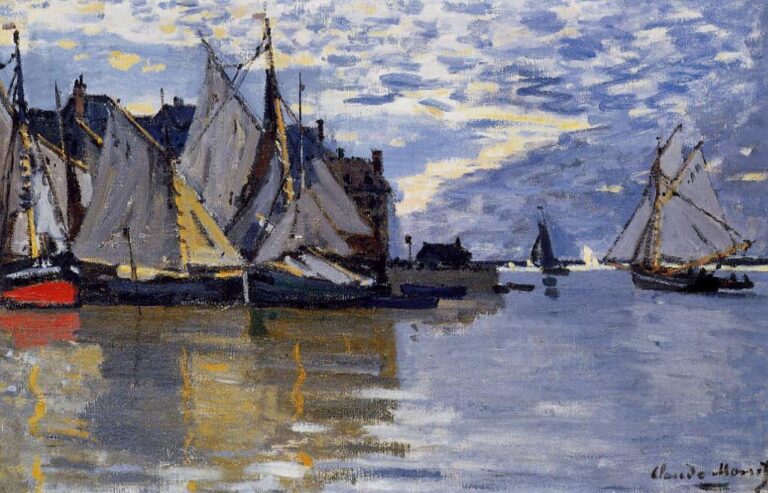
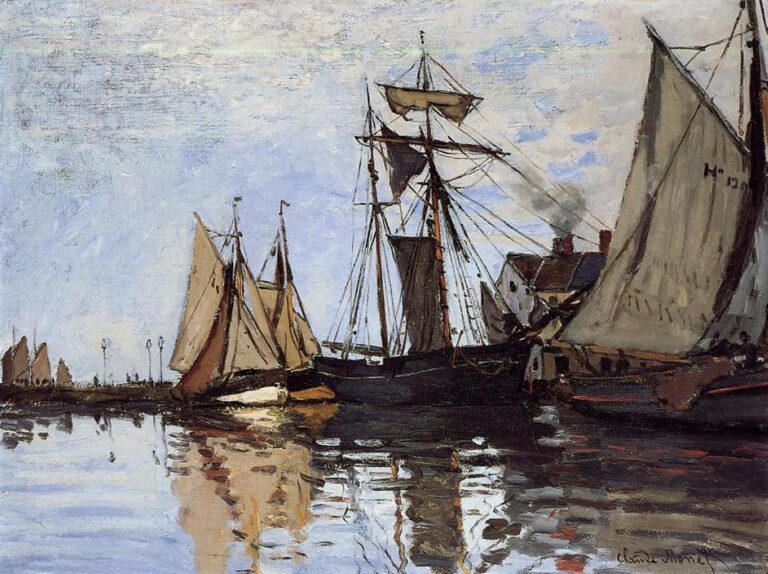
Explore a detailed analysis of Claude Monet’s 1866 painting “Boats in the Port of Honfleur,” focusing on its harbor atmosphere, reflections, composition, color harmony, and importance in Monet’s early artistic development.

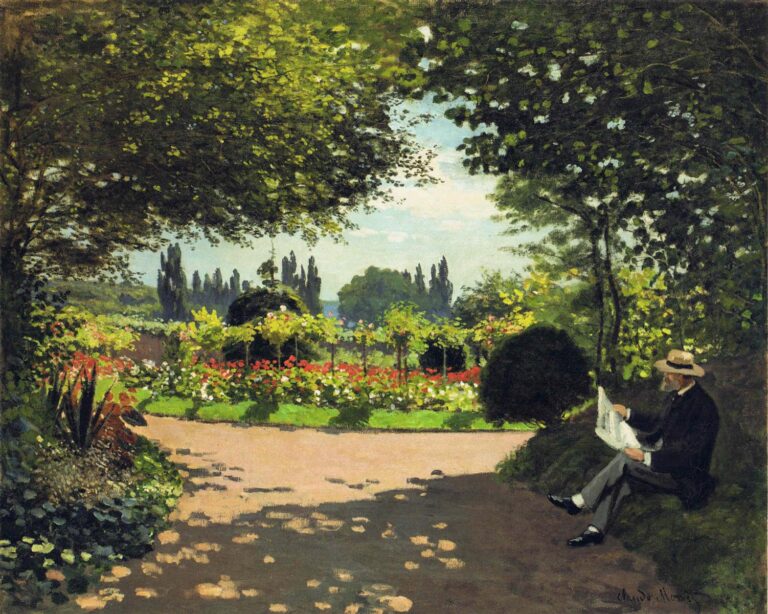
Explore a complete analysis of Claude Monet’s “Adolphe Monet Reading in the Garden,” a luminous 1866 painting that blends family intimacy, garden beauty, and Monet’s early mastery of light, color, and atmosphere.

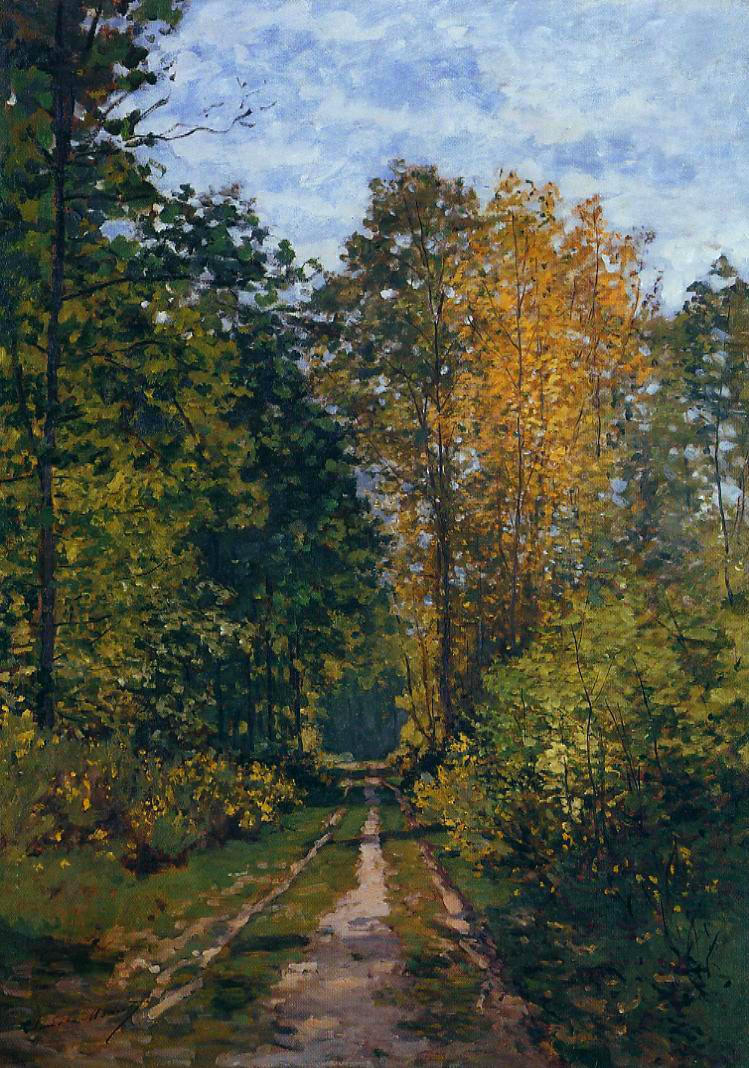
Explore a detailed analysis of Claude Monet’s 1865 painting Wooded Path, examining its composition, light, color, brushwork, mood, and importance within the artist’s early development.

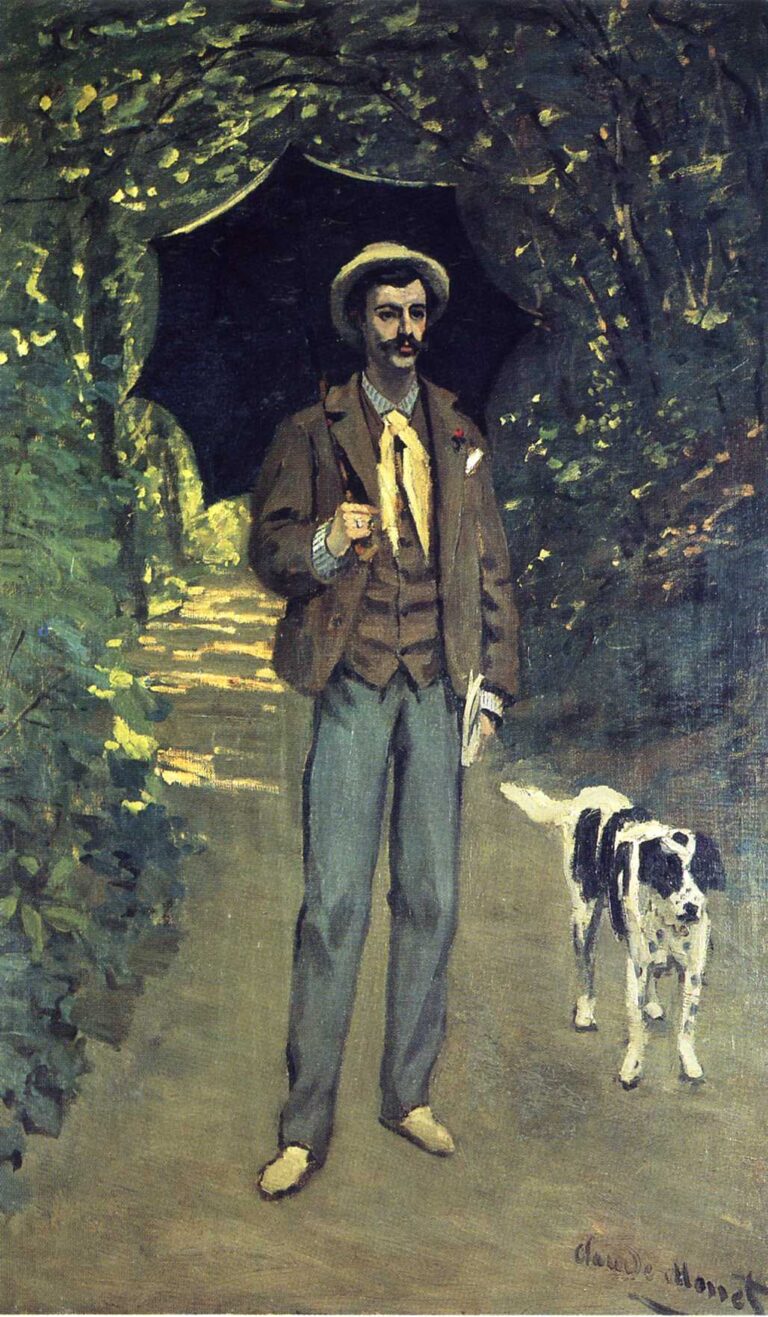
Explore a complete analysis of Claude Monet’s 1865 painting “Victor Jacquemont Holding a Parasol,” examining its composition, mood, color harmony, early style, and importance in the artist’s development.

Explore a detailed analysis of Claude Monet’s “The Seine Estuary at Honfleur,” examining its dramatic sky, restless water, maritime atmosphere, and its place in the artist’s early development.

Explore a detailed analysis of Claude Monet’s 1865 painting “The Pave de Chailly in the Fontainbleau Forest,” examining its light, shadow, composition, atmosphere, and importance in the artist’s early development.

Explore a detailed analysis of Claude Monet’s 1865 painting “The Headland of the Heve at Low Tide,” focusing on its coastal atmosphere, dramatic sky, composition, color, and importance in Monet’s early development.

Explore a detailed analysis of Claude Monet’s “The Bodmer Oak, Fontainebleau,” an early 1865 landscape that reveals his developing style through woodland light, monumental composition, and rich natural color.

Explore a detailed analysis of Claude Monet’s 1865 painting The Bodmer Oak, examining its composition, light, brushwork, historical context, and importance within the artist’s early development.

Explore a complete analysis of Claude Monet’s “Saint-Adresse, Beached Sailboat,” a quiet 1865 coastal painting that reveals his early approach to light, atmosphere, composition, and the beauty of ordinary maritime life.

Explore a detailed analysis of Claude Monet’s “Luncheon on the Grass,” examining its woodland setting, modern figures, luminous color, and early Impressionist handling of light.

Explore a complete analysis of Claude Monet’s 1865 painting “Haystacks at Chailly,” examining its sunset light, rural atmosphere, early style, and place in the artist’s development.

Explore a detailed analysis of Claude Monet’s “Haystack,” focusing on its luminous color, rural atmosphere, delicate brushwork, and the quiet beauty of everyday landscape.